C-PTSD and Trauma Therapy NYC & Nearby Areas
Complex trauma isn’t usually one overwhelming event. It’s more like a series of paper cuts, small, repeated moments of not feeling seen, supported, or safe that accumulate over time. These experiences often happen in close relationships or early environments where attunement was inconsistent. Attunement refers to being emotionally met, having someone notice what you’re feeling, respond with care, and help you regulate when things feel too much. When that kind of attunement is missing or unpredictable, the nervous system learns to stay alert, guarded, or braced for what might come next.
Over time, this can show up in the body as chronic tension, emotional reactivity, shutdown, or a constant low-level sense of being on edge. If you’ve been trying to move forward but keep finding yourself pulled back into familiar patterns, it isn’t a failure, it's protection shaped by what your system learned it had to do to survive.
Through my Somatic and Movement Psychotherapy and EMDR I help women gently unwind the imprint of long-term trauma. Together, we work to rebuild internal safety, restore the experience of attunement in the present, soften survival strategies that are no longer needed, and reconnect with parts of you that learned to stay hidden in order to get through.
What is C-PTSD therapy?
C-PTSD therapy focuses on healing trauma that developed over time often within relationships or environments where safety, consistency, and emotional attunement were limited or unpredictable. This can include emotional neglect, unstable caregiving, chronic relational stress, or long-term exposure to situations that require you to stay alert, adapt quickly, or suppress parts of yourself in order to cope. Rather than being rooted in a single traumatic event, complex trauma shapes how the nervous system, sense of self, and attachment patterns develop.
For some women, complex trauma also includes experiences of sexual assault, sexual coercion, domestic violence, or other forms of relational abuse where safety, consent, or power were compromised.
This may involve emotional abuse, controlling dynamics, chronic intimidation, or violations of boundaries within intimate or family relationships, social and religious communities, school or workplace environments whether in childhood or adulthood. Even when these experiences were minimized, normalized, or difficult to name at the time, the body often continues to hold their impact, shaping how safety, trust, touch, closeness, and personal agency are experienced later in life.
Complex trauma can also develop through parentification becoming emotionally, practically, or relationally responsible at an age when you should have been cared for. This might look like managing a caregiver’s emotions, mediating conflict, growing up too fast, or learning to rely entirely on yourself because support wasn’t available. Over time, the nervous system learns that safety comes from staying competent, vigilant, and needed rather than supported.
C-PTSD therapy works at this root level. My approach integrates EMDR, somatic therapy, and movement-based work to help your body safely process what it learned to hold. Rather than repeatedly revisiting traumatic experiences, we focus on building capacity in the present, restoring a felt sense of safety and attunement, supporting nervous system regulation, and creating the conditions for lasting emotional and relational repair.
When C-PTSD is misidentified or misunderstood
Complex PTSD is often overlooked because its symptoms don’t always resemble trauma in the traditional sense. Instead, the effects of C-PTSD often overlap with or resemble other conditions, including ADHD, OCD, anxiety, depression, eating disorders, chronic low self-worth, and persistent negative self-talk. Many people spend years treating what looks like a focus issue, anxiety problem, or mood disorder without realizing these patterns are connected to a nervous system shaped by long-term stress and adaptation.
These diagnoses aren’t necessarily wrong but they can be incomplete when the deeper survival pattern hasn’t been named. Medication can be helpful for managing certain symptoms, but on its own it often doesn’t address the underlying relational and nervous system imprint of complex trauma.
When C-PTSD isn’t recognized, treatment often focuses on managing symptoms rather than addressing their source. A trauma-informed, body-based approach helps connect the dots offering clarity, relief, and a framework that explains why certain patterns persist and how meaningful change becomes possible when the nervous system is supported, not pushed.
Most common symptoms of C-PTSD
Many people with Complex PTSD don’t think of themselves as “traumatized.” What they notice instead are patterns that feel familiar, frustrating, or hard to explain responses that don’t always match what’s happening in the present.
You might recognize yourself in experiences like these:
- Emotional waves and flashbacks such as shame, fear, sadness, or panic that feel sudden, intense, or hard to shake
- Hypervigiliance. Always being a little on guard, scanning for tension in the room, or having trouble fully relaxing
- Relationship patterns like people-pleasing, over-explaining, pulling away during conflict or feeling torn between closeness and distance with fear of abandonment.
- Chronic guilt or self-blame believing everything is your fault even when you know it’s not. Feeling overly responsible for others, struggling to rest, or feeling guilty when you’re not “holding it together”
- Negative beliefs accompanied by a harsh inner voice or chronic self-criticism, even when you know logically that you’re doing your best
- Difficulty knowing what you need or want, or feeling disconnected from your emotions or sense of direction
- Numbing or dissociation spacing out, detaching, or feeling distant from your body.
- Ongoing physical symptoms such as chest or stomach tightness, jaw or shoulder tension, headaches, fatigue, or feeling exhausted despite resting
These patterns aren’t signs of weakness or failure. They’re signals from a nervous system that adapted to get through experiences where safety and support weren’t reliable. Over time, these adaptations can lead to burnout, emotional depletion, and a sense of losing touch with yourself. If these patterns feel familiar. C-PTSD therapy can help you understand these responses with compassion and gradually create new experiences of choice, ease, and connection.
How do I know if I need C-PTSD therapy?
You may benefit from C-PTSD therapy if:
- You feel stuck in survival mode, even though your life looks “better” now
- Small triggers lead to big emotional reactions
- You struggle to trust others or feel safe in close relationships
- You have difficulty setting boundaries or asking for help
- You disconnect, shut down, or numb when overwhelmed
- You feel chronically responsible, exhausted, or burned out from always holding things together
- You long for connection or belonging, but pull away from relationships, communities, or structured spaces out of fear that closeness will come at the cost of your autonomy, safety, or voice
- You keep repeating old patterns despite wanting something different
If you’ve lived through emotional neglect, inconsistent caregiving, parentification, identity-based trauma, or relational harm that still shapes how you move through the world, C-PTSD therapy can support you in building internal safety, clarity, and more freedom in how you respond both within yourself and in relationship.
How I support you with C-PTSD therapy NYC & nearby areas
My approach to C-PTSD therapy is steady, relational, and deeply body-centered. Complex trauma doesn’t resolve through insight alone; it requires working with the nervous system, attachment patterns, and the emotional imprints left by long-term stress and unmet needs. I pay close attention to pacing, safety, and attunement so your system isn’t pushed faster than it can integrate.
In our work together, I support healing through:
- Somatic therapy to help your body settle, track sensation, and reduce overwhelm so you can stay present without bracing or shutting down
- EMDR to gently reprocess traumatic memories, emotional flashbacks, and deeply held beliefs that formed in survival mode
- Movement-based practices to restore a sense of agency, choice, and connection to your body especially if you learned early on to override your needs
- Attachment-focused work to address relational wounds, including parentification, over-responsibility, difficulty receiving support, or fear of closeness
- Creative and embodied tools that allow parts of you to express what was never safe, possible, or welcome to feel at the time
- Because complex trauma often involved having to grow up too fast, take care of others, or rely on yourself, our work emphasizes learning what it feels like to be supported now. We focus on building capacity slowly and intentionally, so healing becomes something your system can trustnot another thing you have to push through.
You don’t have to force your healing here. We move collaboratively and at a pace that feels sustainable, allowing real change to take root in your body, your relationships, and your sense of self.
What topics can we talk about in C-PTSD therapy?
- Healing childhood and developmental experiences: emotional neglect, unstable or inconsistent caregiving, chaotic environments, or having to grow up too fast.
- Current relationship satisfaction: noticing how early experiences, trauma, or long-term stress shaped patterns in dating, partnership, or closeness.
- Managing emotional overwhelm: understanding how your nervous system responds to stress and learning how to pause, regulate, and respond instead of reacting or shutting down.
- Learning to respond instead of survive: people-pleasing, perfectionism, hyper-independence, control, numbing, or shutdown especially when these patterns feel exhausting or no longer fit who you are.
- Rebuilding self-worth: working with chronic self-doubt, shame, fear, or a sense of “not enoughness,” even when things look good on the outside.
- Following through on your dreams: exploring what gets in the way of acting on your ideas, creativity, or desires especially when fear, self-doubt, or freeze responses make it hard to trust yourself or take the next step.
- Belonging and being yourself: exploring parts of you that learned to stay quiet, adaptable, or invisible in order to feel accepted at home, in relationships, or in the world.
You don’t need to organize your story or know how everything connects before we begin. Together, we listen for patterns in your body, emotions, and relationships and move at a pace that allows your system to feel supported as we work toward greater ease, clarity, and choice.
How it works
Initial consultation
We’ll connect for a free consultation to see if we’re a good fit. Here we’ll briefly talk through what you’re needing, my approach and address any logistical questions.
Getting started
You’ll get access to my secure client portal, where you’ll be able to schedule your first appointment and complete intake paperwork so I can understand your history, context, and needs a little more.
Building our foundation
We’ll begin with at least four consecutive sessions. This gives us time to establish our working relationship, identify your goals, and see the full picture of what it’s like to be you. During this phase, we’ll also explore whether EMDR could be a good fit for your healing process, or if other somatic and movement-based approaches might better support your needs. From there, we can adjust frequency together, and if I think less often isn’t in your best interest, I’ll let you know with a clear clinical recommendation.
C-PTSD therapy specialist in NYC & nearby areas
I’m Stefanie Raccuglia somatic therapist, EMDR practitioner, and movement specialist. I work with women carrying the weight of complex trauma, attachment wounds, and long-term emotional stress. My work blends somatic therapy, EMDR, nervous system regulation, and movement so you can process trauma gently, rebuild inner safety, and feel more grounded, connected, and alive in your body again.
Tips & resources for coping with C-PTSD before starting therapy
If you’re considering C-PTSD therapy, there are gentle ways to support your nervous system in the meantime. These practices aren’t about fixing anything they’re about creating small moments of steadiness and relief as you prepare for deeper work.
- Ground your body: bring attention to your feet, place a hand on your chest or belly, or take a few slow, unforced breaths to help your body orient to the present.
- Reduce emotional overload: notice what feels overstimulating or draining and experiment with small boundaries around noise, screens, notifications, or social demands.
- Create simple routines: even minimal structure regular meals, consistent sleep cues, or a short daily walk can help your nervous system feel more supported.
- Notice triggers with compassion: begin observing patterns in your reactions without trying to change them or blaming yourself. Curiosity is enough.
- Use gentle somatic tools: stretching, swaying, shaking out your arms or legs, or light tapping can help release built-up tension and restore a sense of movement.
- Reach for safe support: share what you’re experiencing with someone who feels emotionally steady and nonjudgmental, or limit contact with people who increase stress.
These practices aren’t a replacement for therapy, but they can help you feel more regulated and resourced as you begin the healing process.
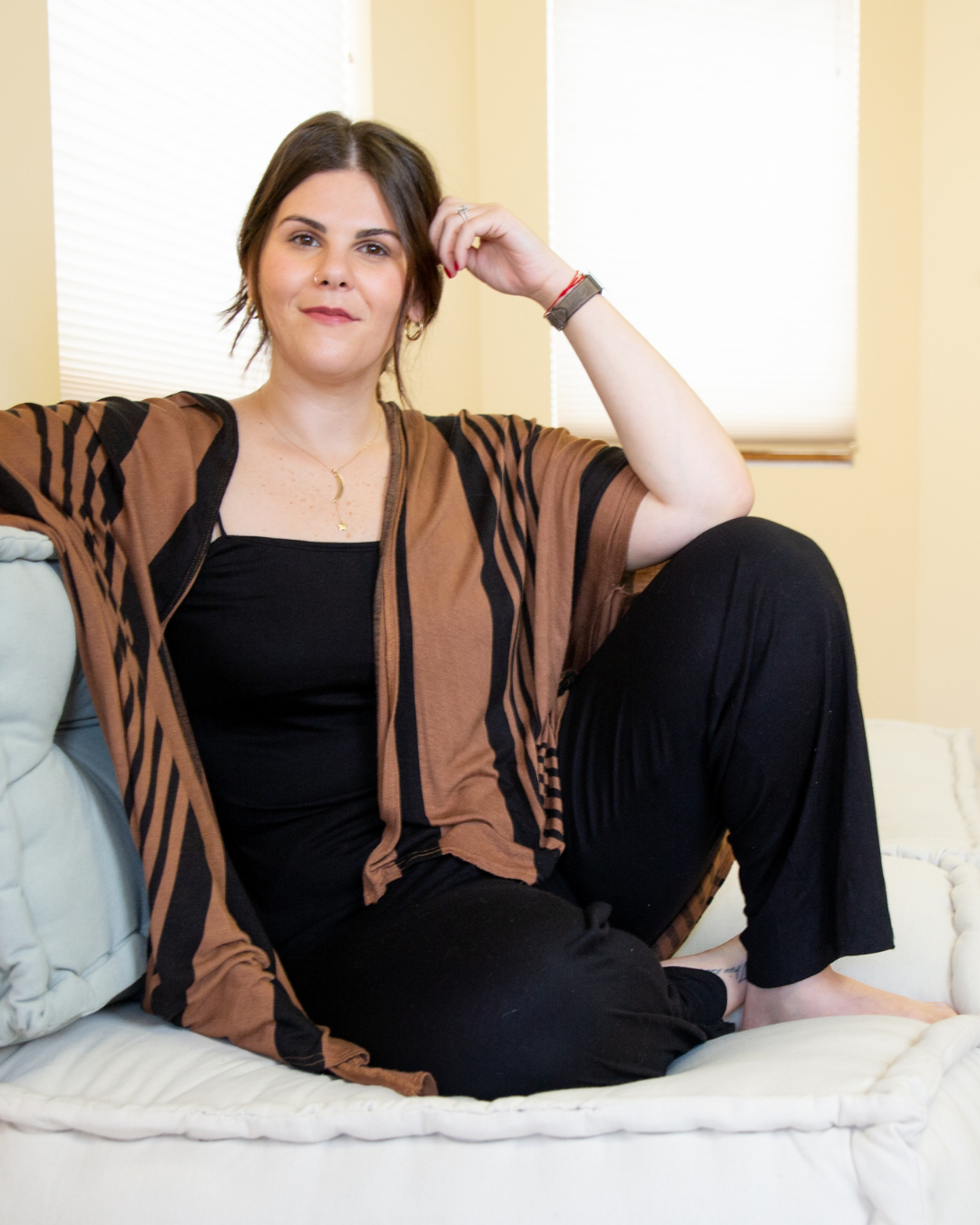
Hi there, I´m Stefanie Raccuglia
Clinically, I'm a Licensed Professional Counselor (CO), Licensed Mental Health Counselor (NY), Registered Dance/Movement Therapist, and EMDRIA Certified EMDR therapist.
Psychotherapy in Colorado and New York - Pricing
Individual Therapy
- 55–60 minute sessions — ongoing weekly or biweekly therapy.
- 85–90 minute sessions — extra time for EMDR or when you want more room to process and integrate.
- Half-day intensives — immersive, extended sessions where you can experience, move, and process at a deeper embodied pace, then circle back to integrate. These offer a reset that weekly therapy alone can’t always reach.
*Rates vary by state. We’ll go over exact rates during your free initial consultation, along with any options for sliding scale (limited spots) and out-of-network reimbursement.
Professional Consultation & Supervision
For therapists, coaches, and providers who want to deepen their clinical work.
- EMDR Consultation — As an EMDRIA Consultant-in-Training, I provide consultation hours that count toward EMDRIA certification. Together we’ll refine your skills, strengthen case conceptualization, and grow your confidence with this modality.
- Embodied Professional Consultation — For providers who want to integrate a somatic lens into their work. We’ll explore interventions, case material, and professional presence from an embodied perspective, helping you expand beyond cognitive approaches and bring the body more fully into the room.
FAQ
Is C-PTSD the same as PTSD?
Not exactly. PTSD often stems from a single traumatic event, while C-PTSD develops from long-term or repeated trauma. Both impact the nervous system, but C-PTSD affects identity, attachment, relationships, and emotional regulation more deeply. Therapy addresses these added layers with somatic and relational support.
Can C-PTSD be healed or is it lifelong?
Yes C-PTSD can improve significantly with the right support. Healing doesn’t mean erasing the past; it means building regulation, internal safety, and new relational patterns so old wounds no longer control your life.
Does EMDR help with C-PTSD?
Absolutely. EMDR is one of the most effective treatments for complex trauma. It helps your brain and body reprocess stored memories, reduce reactivity, and shift painful beliefs formed during trauma. Stefanie integrates EMDR with somatic regulation for deeper, safer healing.
What does C-PTSD therapy look like week to week?
Sessions often include grounding, somatic awareness, gentle exploration of triggers, EMDR, attachment repair, and regulating your nervous system. You remain in control of the pace. Nothing is rushed or forced.
How do I know if my symptoms mean I have C-PTSD?
You don’t need a diagnosis to get support. But common signs include emotional flashbacks, chronic shame, difficulty trusting others, identity confusion, numbing, and long-standing confusing and destabilizing relationship patterns. A therapist can help you understand your symptoms and chart a healing path.
Good Faith Estimate
Beginning January 1, 2022, you have the right to receive a “Good Faith Estimate” explaining how much your medical care will cost.
Under the law, health care providers need to give patients who don’t have insurance or who are not using insurance an estimate of the bill for medical items and services.
You have the right to receive a Good Faith Estimate for the total expected cost of any non-emergency items or services. This includes related costs like medical tests, prescription drugs, equipment, and hospital fees.
Make sure your health care provider gives you a Good Faith Estimate in writing at least 1 business day before your medical service or item. You can also ask your health care provider, and any other provider you choose, for a Good Faith Estimate before you schedule an item or service.
If you receive a bill that is at least $400 more than your Good Faith Estimate, you can dispute the bill.
Make sure to save a copy or picture of your Good Faith Estimate.
Colorado- For questions or more information about your right to a Good Faith Estimate, visit www.cms.gov/nosurprises or call the Colorado Division of Insurance at 303-894-7490 or 1-800-930-3745
New York- For questions or more information about your right to a Good Faith Estimate, visit www.cms.gov/nosurprises or call the New York State Department of Financial Services at 1-800-342-3736 or 212-480-6400.